Exploring Wedding Card SVG and Paper Cut Wedding Card Options
Wedding Card SVG and Paper Cut Wedding Card designs have become increasingly popular among couples and crafters seeking personalized, elegant, and creative ways to celebrate nuptials. These designs combine digital precision with the tactile charm of paper, offering a versatile solution for both physical and digital use. Whether you're crafting invitations by hand or preparing digital assets for online sharing, Wedding Card SVG and Paper Cut Wedding Card formats provide flexibility and aesthetic appeal.
Understanding Wedding Card SVG
SVG, or Scalable Vector Graphics, is a digital file format that allows for crisp, high-quality images at any size. Wedding Card SVG files are particularly useful for digital designers, DIY crafters, and small businesses looking to produce scalable, editable designs. These files are often used for laser cutting, digital scrapbooking, or print-at-home invitations.
One of the main benefits of Wedding Card SVG files is their adaptability. Since they are vector-based, users can resize them without losing quality, making them ideal for both large posters and small thank-you cards. Additionally, SVG files can be edited in most graphic design software, allowing users to customize colors, fonts, and layout elements to match their wedding theme.
The Appeal of Paper Cut Wedding Card Designs
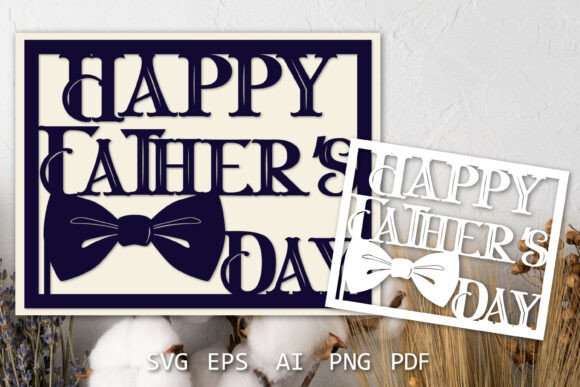
Paper Cut Wedding Cards bring a tactile and artistic dimension to wedding stationery. These cards are typically created by layering or cutting paper to form intricate designs such as floral motifs, geometric patterns, or romantic silhouettes. The result is a three-dimensional, visually engaging piece that stands out from standard printed cards.
These designs are especially popular among couples who appreciate handcrafted elements and personal touches. Paper Cut Wedding Cards can be used as standalone pieces or incorporated into larger invitation suites. They also serve as keepsakes, offering a lasting memento of the special day.
Comparing Wedding Card SVG with Paper Cut Wedding Card
While Wedding Card SVG and Paper Cut Wedding Card formats serve similar purposes, they differ in their execution and application. SVG files are primarily digital, allowing for easy customization and scalability. Paper Cut Wedding Cards, on the other hand, emphasize physical craftsmanship and are often used in tangible, hand-assembled formats.
- Customization: SVG files allow for extensive digital editing, while Paper Cut designs require physical cutting tools and materials.
- Production Time: SVG cards can be quickly adjusted and printed, whereas Paper Cut versions may take longer due to manual assembly.
- Cost: Digital SVG files are generally more cost-effective for bulk use, while Paper Cut cards may involve higher material and labor costs.
Depending on your design skills, time constraints, and desired aesthetic, one option may be more suitable than the other. Those comfortable with design software may prefer SVG files for their flexibility, while others may opt for Paper Cut designs for their artistic appeal.
Layered Wedding Card SVG and Its Benefits
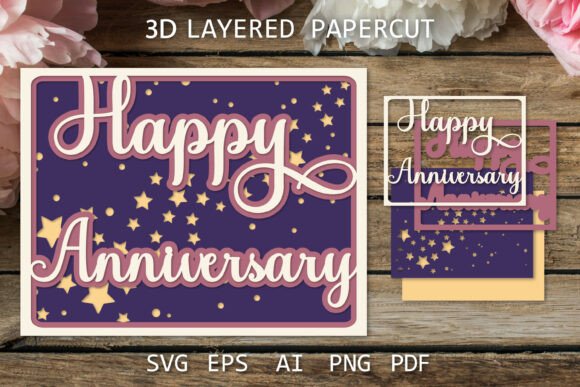
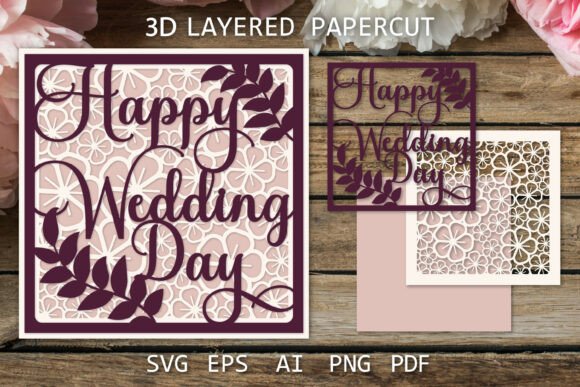
Layered Wedding Card SVG designs offer an additional dimension to digital crafting. These files include multiple layers that can be individually edited, allowing for depth and complexity in the design. This layering technique mimics the visual effect of paper cutting but within a digital format.
Layered Wedding Card SVG files are especially useful for creating digital mockups, layered printables, or intricate laser-cut designs. They provide the look of handcrafted paper art without the physical assembly, making them ideal for those who want the aesthetic without the hands-on labor.
Practical Uses of Paper Cut Wedding Cards
Paper Cut Wedding Cards are not just decorative—they serve multiple functions. These cards can be:
- Used as part of a wedding invitation suite
- Displayed as decorative elements at the venue
- Given as keepsakes or thank-you notes
Many couples choose to incorporate these designs into their wedding decor, using them as place cards, menu holders, or even part of the ceremony backdrop. The versatility of Paper Cut Wedding Cards makes them a valuable option for both formal and casual wedding themes.
File Formats and Compatibility
When purchasing Wedding Card SVG or Paper Cut Wedding Card designs, it's important to understand the file formats included. Most digital design packages come with a variety of file types to accommodate different uses:
- SVG: Ideal for digital editing and scalable printing
- PNG: Suitable for digital use, especially with transparent backgrounds
- PDF: Great for high-quality printing and professional use
- AI and EPS: Preferred by professional designers for advanced editing
These files are typically delivered in a ZIP folder that must be extracted before use. Users should ensure they have the appropriate software to open and edit each file type, especially if they plan to make customizations.
When to Choose Wedding Card SVG vs. Paper Cut Wedding Card
Choosing between Wedding Card SVG and Paper Cut Wedding Card depends on your project’s scope, your design skills, and the desired outcome. Here are some decision factors:
- Design Complexity: If you want intricate, layered designs without physical cutting, SVG files are a better fit.
- Time and Skill Level: SVG files are quicker to produce if you're familiar with graphic design tools; Paper Cut requires more hands-on time and precision.
- Budget: Digital SVG files are often more affordable for bulk use, especially when printed at home or through online services.
- Personal Preference: Some people prefer the handmade feel of Paper Cut cards, while others appreciate the clean, scalable nature of SVG designs.
If you're planning a wedding with a tight budget and limited time, Wedding Card SVG files may be the most efficient choice. However, if you enjoy crafting and want to add a personal, artistic touch, Paper Cut Wedding Cards could be the perfect option.
Realistic Examples and Use Cases
Consider a couple who wants to send digital wedding invitations but also have a printed keepsake. They might choose a Layered Wedding Card SVG file to create a digital invitation and then print a high-quality version for framing. Alternatively, a bride who enjoys crafting may opt for a Paper Cut Wedding Card to create custom place cards for the reception tables, adding a unique and memorable detail to the décor.
Another example involves a small business owner selling wedding stationery online. They might offer both SVG and Paper Cut Wedding Card options to cater to different customer preferences—digital files for those who want to print at home and pre-cut paper designs for those who prefer ready-to-use products.
Limitations and Considerations
Despite their many benefits, both Wedding Card SVG and Paper Cut Wedding Card options have limitations. SVG files require design software and some level of technical skill to edit effectively. Paper Cut designs, while visually striking, can be time-consuming to produce and may require specialized tools like a laser cutter or precision scissors.
Additionally, the quality of the final product depends heavily on the original design. Poorly structured SVG files or low-quality paper cuts may not yield the desired results. It's essential to choose high-quality templates and invest in appropriate materials for the best outcome.
Making an Informed Choice
Ultimately, the decision between Wedding Card SVG and Paper Cut Wedding Card comes down to personal preference, available resources, and the intended use. Both formats offer unique advantages and can be used together to create a cohesive and memorable wedding stationery suite.
If you're unsure which option is best for your needs, consider experimenting with both. Try a digital SVG design for your main invitation and a Paper Cut version for a special keepsake or accent piece. This way, you can enjoy the benefits of both formats while creating a distinctive and personalized wedding experience.