Upgrading Broken Valve Handle Replacement with 3D Printed Solutions
When a pipe valve handle breaks, it can disrupt daily operations in residential, commercial, or industrial settings. Traditionally, replacing a broken valve meant removing and installing an entirely new unit—a process that often required specialized tools, professional labor, and significant downtime. However, a modern alternative is changing the way we approach this common plumbing issue: 3D printed valve handles. These innovative components offer a practical, cost-efficient way to restore functionality without replacing the entire valve. As more people seek smart, sustainable solutions, the shift toward 3D printed replacement parts is gaining momentum.
Why Broken Valve Handle Replacement Matters
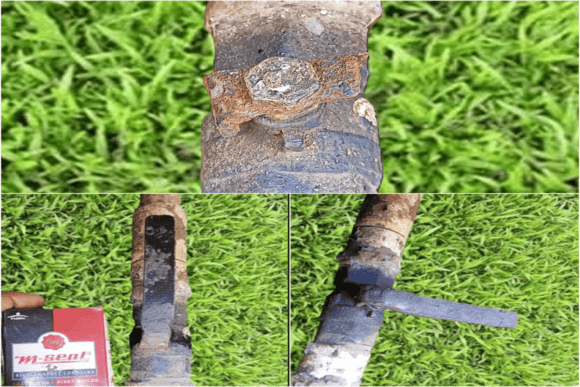
Valve handles endure frequent use and environmental stress, making them prone to wear and breakage over time. Corrosion, mechanical strain, and accidental impact are common causes of failure. While replacing the entire valve may seem like the only option, it often introduces unnecessary costs and complexity. This is where targeted Broken Valve Handle Replacement becomes valuable. Instead of treating the symptom by replacing the whole unit, addressing the broken handle directly offers a more focused, economical repair strategy.
The Rise of 3D Printed Valve Handles
3D printing has revolutionized manufacturing by enabling rapid, on-demand production of custom parts. When applied to plumbing repair, this technology allows for the creation of durable, precisely fitted valve handles tailored to specific valve types. Unlike generic replacement parts, 3D printed handles can be designed to match the original specifications or even improve upon them. This level of customization ensures a secure fit and smooth operation, reducing the risk of future issues.
Key Features of 3D Printed Valve Handles
- Durability: Modern 3D printing materials, such as nylon and ABS, offer high tensile strength and resistance to heat and chemicals.
- Custom Fit: Digital modeling allows for precise dimensions, ensuring compatibility with different valve types including gate, ball, and butterfly valves.
- Quick Installation: Designed for ease of use, these handles can be installed with minimal tools and without shutting down the entire system.
- Cost Efficiency: Eliminating the need for full valve replacement significantly reduces material and labor costs.
- Sustainability: Printing on demand reduces waste and supports a more circular approach to repair and maintenance.
Real-World Performance and Practical Value
In real-world applications, the performance of a 3D printed valve handle depends on both material selection and design accuracy. A well-engineered handle printed with reinforced polymer can withstand repeated use in high-pressure environments. Homeowners and facility managers have reported successful installations in kitchens, bathrooms, HVAC systems, and irrigation setups. In one case, a property manager replaced several corroded gate valve handles across a multi-unit building using 3D printed parts, cutting repair time by over 60% and avoiding costly plumber call-outs.
From a usability standpoint, these handles are designed with ergonomics in mind. Textured grips, intuitive mounting points, and compatibility with common tools enhance user experience. Additionally, the ability to print replacement handles on-site or on-demand means fewer delays caused by supply chain issues or inventory shortages.
Who Benefits Most from This Innovation?
Broken Valve Handle Replacement using 3D printed components is particularly beneficial for:
- Homeowners: DIY enthusiasts can fix plumbing issues quickly without calling a professional.
- Property Managers: Enables cost-effective, scalable maintenance across multiple units.
- Plumbers: Offers a faster, cleaner alternative to full valve replacement, improving service efficiency.
- Entrepreneurs: Provides a low-barrier product opportunity for those in the 3D printing or plumbing supply industries.
Professionals in industrial maintenance, irrigation, and HVAC fields have also found value in this solution, especially when dealing with older or discontinued valve models that are no longer supported by standard replacement parts.
Design and Quality Considerations
While 3D printed valve handles offer many advantages, their effectiveness hinges on proper design and material selection. A poorly designed handle—whether due to incorrect dimensions, weak structural support, or poor material choice—can lead to premature failure. That’s why it’s essential to source designs from reputable providers or use verified CAD models. Many platforms now offer tested, user-reviewed valve handle templates that can be downloaded and printed with confidence.
For those looking to sell or distribute 3D printed valve handles, quality control is key. Ensuring consistent print settings, using high-grade filaments, and conducting basic stress tests can help maintain reliability and customer satisfaction. Some manufacturers even offer color-coded versions for easy identification in complex systems, adding both functional and aesthetic value.
Business Opportunities in 3D Printed Valve Handles
Entrepreneurs and small business owners can leverage this innovation to enter the plumbing accessory market with minimal overhead. Unlike traditional manufacturing, 3D printing allows for small-batch production, reducing inventory risk. A local hardware store, for example, could offer custom-printed handles as an in-store service, catering to both homeowners and contractors. Online sellers can list digital designs for download, enabling customers to print their own parts at home or through a local print service.
This business model aligns well with the growing maker culture and the increasing availability of affordable 3D printers. It also appeals to environmentally conscious consumers who prefer sustainable, repair-based solutions over disposable replacements. By positioning 3D printed valve handles as a smart upgrade rather than just a repair tool, sellers can differentiate their offerings in a competitive market.
Limitations and Considerations
Despite its many benefits, 3D printed valve handle replacement is not a universal solution. High-temperature or high-pressure environments may require metal components that traditional 3D printed materials cannot withstand. Additionally, users without access to a 3D printer or technical know-how may find the initial setup challenging. However, these barriers are decreasing as 3D printing becomes more accessible and user-friendly.
Another consideration is the legal and safety implications of replacing plumbing components. In some regions, local building codes may require certified parts for certain applications. It’s important to verify compliance before using 3D printed handles in regulated environments. For most residential and light commercial use cases, however, these handles offer a safe and effective alternative.
Final Thoughts: A Smart Upgrade for Modern Plumbing Needs
Broken Valve Handle Replacement is no longer limited to costly, time-consuming solutions. The emergence of 3D printed handles introduces a smarter, more adaptable approach to plumbing repair. Whether you're a homeowner looking for a quick fix, a professional plumber aiming to streamline your workflow, or an entrepreneur exploring new product opportunities, this innovation offers real value. By focusing on practicality, durability, and accessibility, 3D printed valve handles represent a meaningful step forward in the evolution of maintenance and repair solutions.